

Why Solar Light Fixtures Are No Longer Just for Outdoors
For years, solar lighting was almost exclusively used outdoors—for garden paths, driveways, and porch lighting. But as solar technology has advanced, solar light fixtures for indoor use have become more efficient, reliable, and stylish. Whether you’re looking to reduce your energy bills, go off-grid, or simply add a layer of sustainable design to your home, indoor solar light fixtures are a smart investment.
This guide covers how they work, where to install them, the best types, and how to choose high-performing, aesthetically pleasing models.
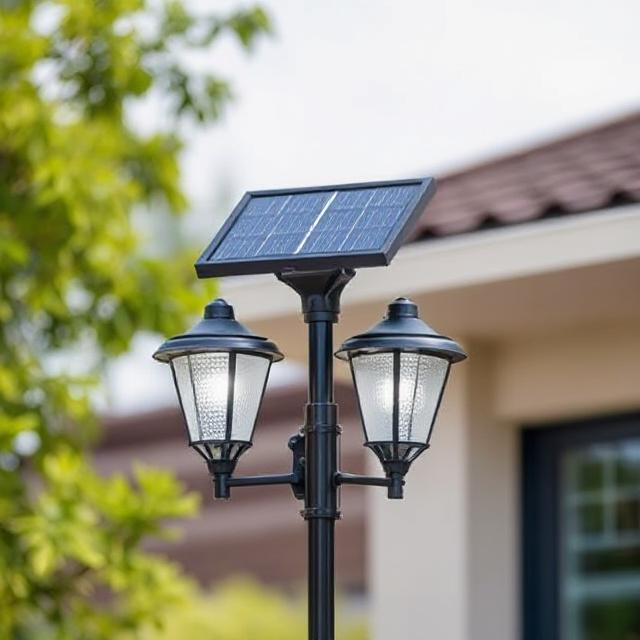
What Are Indoor Solar Light Fixtures?
Indoor solar light fixtures are lighting devices designed for interior use that are powered by solar energy. These systems typically include:
A solar panel (often placed outside or near a window)
Rechargeable batteries for storing solar energy
LED light fixtures connected via wiring or wireless controls
Unlike traditional electric lighting, indoor solar lighting operates independently of the grid, making it ideal for eco-conscious homeowners or those in areas with unreliable electricity.
How Do Indoor Solar Lights Work?
The system operates in three main steps:
Daylight Charging: A photovoltaic panel captures sunlight and converts it into electrical energy.
Energy Storage: This energy is stored in a built-in rechargeable battery.
Evening Illumination: When it gets dark, a light sensor triggers the solar-powered fixture to turn on automatically.
Some models come with manual switches, remote controls, or timers. Many modern indoor solar lights now support USB charging as a backup.
Key Benefits of Solar Light Fixtures Indoor
1. Energy Efficiency
Solar-powered lights reduce dependency on fossil fuels and lower monthly utility costs. They use high-efficiency LEDs, which consume less power and last longer than incandescent bulbs.
2. Sustainability
Indoor solar light fixtures produce zero emissions during operation, helping you reduce your environmental impact.
3. Easy Installation
Most indoor solar lighting systems do not require complex wiring. They are perfect for DIY setups, cabins, off-grid homes, or emergency preparedness.
4. Versatile Design Options
Modern fixtures come in a variety of styles—from minimalist to rustic—ensuring you don’t have to sacrifice design for sustainability.
Best Places to Use Indoor Solar Lighting
1. Cabins and Off-Grid Homes
Solar fixtures are ideal for rural or remote homes where power access is limited or non-existent. You can light living rooms, kitchens, and bedrooms without ever connecting to the grid.
2. Sheds, Basements, and Garages
Many solar indoor lights are motion-activated or remote-controlled, making them perfect for utility spaces where wiring is impractical.
3. Hallways, Closets, and Stairwells
Install compact solar lights in places where light is needed briefly but frequently. Some models include motion sensors and adhesive mounts for quick installation.
4. Emergency Lighting
When the power goes out, solar fixtures provide essential backup lighting. Some models double as flashlights or emergency lanterns.
Popular Types of Solar Light Fixtures for Indoor Use
Solar Pendant Lights
Mountable on ceilings
Ideal for kitchens, dining areas, or reading nooks
Solar panel typically placed outside via a wire
Solar Wall Sconces
Great for hallways and staircases
Motion-sensing options available
Often powered by external panels or indoor window-mounted collectors
Portable Solar Lamps
Perfect for bedrooms, kids’ rooms, or workstations
Can be moved from room to room
Some models offer USB backup charging
Solar Ceiling Light Kits
Includes a panel, battery, and high-lumen LED fixture
Best for large rooms or central lighting needs
Some include remote control dimmers or light settings
How to Choose the Best Indoor Solar Light Fixtures
Check Solar Panel Efficiency
Not all solar panels are equal. Look for monocrystalline or polycrystalline panels with high conversion efficiency.
Evaluate Battery Capacity
The battery determines how long the light can stay on. Choose models with lithium-ion or LiFePO4 batteries for longer performance and life.
Lumens and Brightness
The brightness of the fixture should match the space.
100–200 lumens: Closets and hallways
300–500 lumens: Bedrooms and workspaces
600+ lumens: Kitchens or main living areas
Style and Aesthetics
Match the fixture to your interior design—whether you prefer minimalist, farmhouse, boho, or industrial.
Sensor and Control Features
Look for models with:
Motion sensors
Light/dark sensors
Remote control options
Dimmable brightness settings
Installation Tips for Indoor Solar Lighting
Place the solar panel in a location that receives at least 6–8 hours of direct sunlight per day.
Run wires through window gaps or thin drill holes to connect outdoor panels to indoor fixtures.
Use adhesive mounts or lightweight hooks for temporary setups.
Clean solar panels every few months to maintain performance.